



Waste Reduction & Recycling

Cape Cod Waste Reduction, Recycling and Composting
Barnstable County is committed to facilitating regional cooperation to find solutions that reduce trash and increase recycling. Removing and disposing of trash from Cape Cod is expensive and harmful to the environment. Barnstable County’s Regional Waste Reduction Coordinator provides Cape Cod’s fifteen towns with technical assistance on a variety of issues related to waste reduction and recycling, including municipal solid waste analyses, pay-as-you-throw program implementation, difficult to manage waste diversion, transfer station operations, guidance on grant funding, and public education.
Cape Cod Boat Shrink Wrap Recycling

Keep boat shrink wrap out of the landfill by participating in the Cape Cod Boat Shrink Wrap Recycling Program. Boaters can drop off clean, uncontaminated shrink wrap at participating Cape Cod transfer stations, where it will be collected and recycled into new plastic products.
Visit the Woods Hole Sea Grant website for accepted materials, participating locations, and program details.
Click on town name for waste disposal information.
- Barnstable
- Bourne
- Brewster
- Chatham
- Dennis
- Eastham
- Falmouth
- Harwich
- Mashpee
- Orleans
- Provincetown
- Sandwich
- Truro
- Wellfleet
- Yarmouth
Cape Cod Household Hazardous Waste collections are as simple as ‘bring it in, we all win!’
At HHW collections, you can bring in everyday, poisonous household products that are too toxic to throw in your trash. Think oil-based paints, yard chemicals, household cleaners, boat and auto chemicals, and more! It’s an easy way to keep your home, pets, and environment safe while ensuring clean drinking water for everyone. Click here to find your town’s schedule and brochure.

RecycleSmartMA
RecycleSmartMA serves as an information hub that clarifies the recycling process in Massachusetts. The website provides clear instructions on how to dispose of or recycle a wide range of common and uncommon household items. It is a program by the Massachusetts Department of Environmental Protection to improve recycling across the state. Click here to figure out what you can recycle.
Lithium Battery Safety
Lithium-ion and lithium primary batteries power many of the devices we use every day, including phones, laptops, tablets, power tools, and even electric vehicles.
While these batteries are convenient, they can also pose a serious safety risk if not handled properly. When damaged, improperly disposed of, or exposed to heat, lithium batteries can overheat, catch fire, or even explode.
Because of this, lithium batteries should never be placed in household trash or recycling bins. Fires caused by batteries are a growing issue at waste and recycling facilities, putting workers, equipment, and communities at risk.
Watch the videos below to learn how to safely handle, store, and dispose of lithium batteries.
Want to recycle RIGHT? Visit Mass DEP’s Recycle Smart webpage to find out more information on how you can recycle and recycle smart! visit https://recyclesmartma.org/
Check out how a Cape Codder can recycle latex paint!
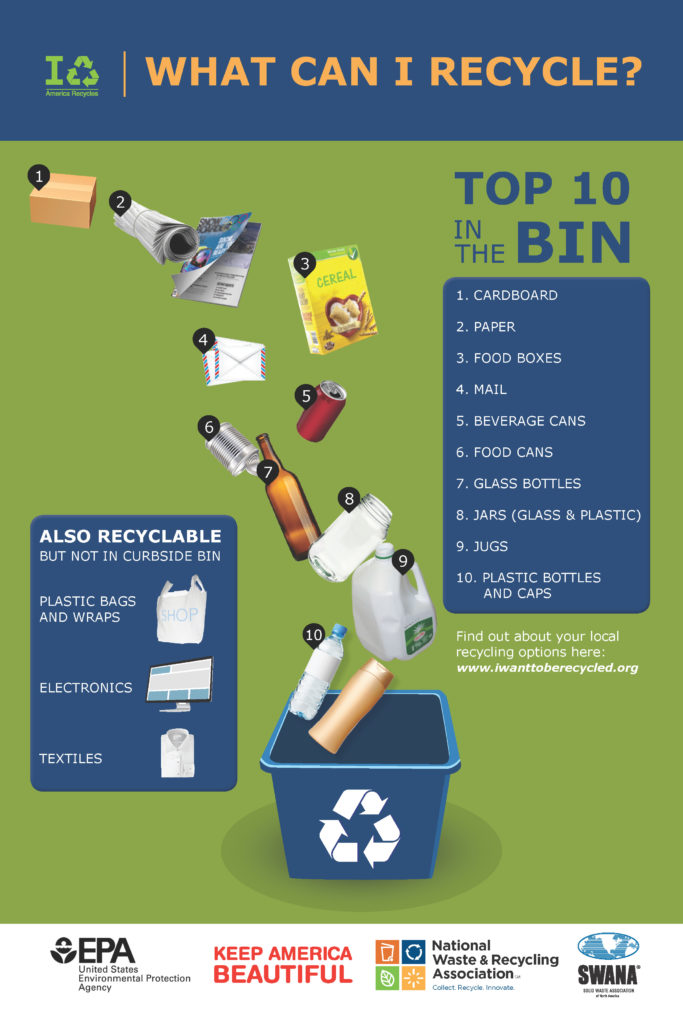
How can I recycle in my town? All fifteen towns on Cape Cod operate their own trash and recycling programs. Please visit your town’s recycling website, by clicking on one of the links below.
Solid waste is minimized when individual households reduce, reuse and recycle. A number of Cape Cod organizations will help residents donate items or find re-usable ones. Certain charities and non-profit groups will pick up items at your home and some donations are tax deductible. Consider donating to or shopping at thrift stores, consignment stores, or some of these organizations:
Beyond The Bin Recycling Directory: Do you have worn clothing, outdated electronics or other items that don’t belong in your household recycling bin? Don’t throw them away. Find out where to recycle, reuse, or repurpose them in Massachusetts by entering the material into this online directory!
Website: https://recyclesearch.com/profile/ma
Habitat ReStore: A place to buy or donate used furniture, appliances, doors and windows, and building supplies. All merchandise is sold at significant discounts and sales support Habitat for Humanity of Cape Cod.
Address: 28 Whites Path, Yarmouth, MA
Phone: Call ahead to drop off donations or to arrange for us to pick up, 508-394-6400
Website: habitatcapecod.org/restore/
Goodwill: Goodwill makes high quality clothing and household goods available at reasonable prices through Goodwill Stores and provides job training and related services to help individuals with disabilities.
Address:
141 Corporation Plaza, Hyannis MA (behind Cape Cod Mall)
Phone: (508) 790-0046
Salvation Army: The Salvation Army Thrift shop has clothing and shoes for men, women and children, furnishings for the home, books, movies and CDs, toys and much more
Address: 174 Main Street, Rte. 28, West Yarmouth
Phone: (800) 728-7825
Website: www.salvationarmy.org
Craigslist: A classified advertising website that lets users post ads at no charge; a section of the website, which can be searched by local area (Cape Cod/Islands), offers items for sale.
Website: www.craigslist.org
Freecycle Cape Cod: Freecycle is a nationwide organization operated by volunteers. Users give away and get items for free.
Website: groups.yahoo.com/group/Freecycle_Cape_Cod/
Home Composting
Composting is a convenient, beneficial and inexpensive way to handle your organic waste and help the environment. Yard wastes such as leaves, grass clippings and weeds make excellent compost. Fruit and vegetable scraps, plus food wastes such as coffee grounds, tea bags, and eggs shells, can be composted. For more information, follow these links:
News / Media
Monthly Newsletter – This monthly newsletter provides information about solid waste reduction efforts and recycling issues on Cape Cod and beyond. Click here for a link to all past newsletters and email [email protected] if you’d like to join the mailing list.
Other Waste Reduction Related Links:
- Massachusetts Department of Environmental Protection –Waste and Recycling
- Cape Cod Commission – Regional Solid Waste Planning
- Recycling Works Massachusetts (assistance for businesses and institutions)
- Information on Textile Recycling
- Earth 911 – Community-specific information on environmental issues, including local recycling resources
- MassRecycle – the Massachusetts Recycling Coalition
 Send an Email
 508-375-6974