




tick banner image - don't let one one bite


OUR MISSION

This program serves as a resource for accurate, unbiased information on pest management and on the prevention and education of tick-borne illnesses.

Tick Testing

Find a tick? Order a comprehensive TickReportTM and learn what disease causing microbes the tick may be carrying, including pathogens that cause Lyme disease.

The use of repellents can be a highly effective way to prevent tick bites and reduce the risk of getting any number of tick-borne diseases including Lyme, babesiosis and anaplasmosis. Although there are many products on the market, Permethrin is the only product that provides effective, long-lasting protection.

Permethrin is to be applied to clothing, including footwear, NOT skin. Highly effective at repelling/killing ticks. Effectiveness lasts through multiple washings. Pre-treated clothing is also on the market. This is a good complement to skin-applied repellents. EPA’s position is that treated clothing poses no immediate or long-term effects to toddlers, children, pregnant women or nursing mothers. Check out this short How-To video on applying Permethrin:

There are a number of permethrin products designed for different applications. Consumer should be careful to select product specially formulated for application to outerwear/camping gear.

Treating Clothing

Shoes

Apply permethrin to your footwear every four weeks. This is very important during the summer months: nymph stage deer ticks, the size of a poppy seed, live down in the leaf litter, and the first place they attach to are your shoes.

This is a great FIRST line tactic, as nymph stage ticks are responsible for 85% of all tick-borne diseases in Massachusetts.

Clothing Brands

Several different brands like InsectShield, Columbia, L.L. Bean, REI, Sitka, and Farloh offer pre-treated clothing and gear.

InsectShield also offers a treatment service for clothes you already own.

Where to Buy

Permethrin can be purchased at the local Hyannis Country GardensAgway, ACE HardwareHome Depot, and Amazon.com.

Click here to download our Repellent Guide.

Perimeter Yard Sprays

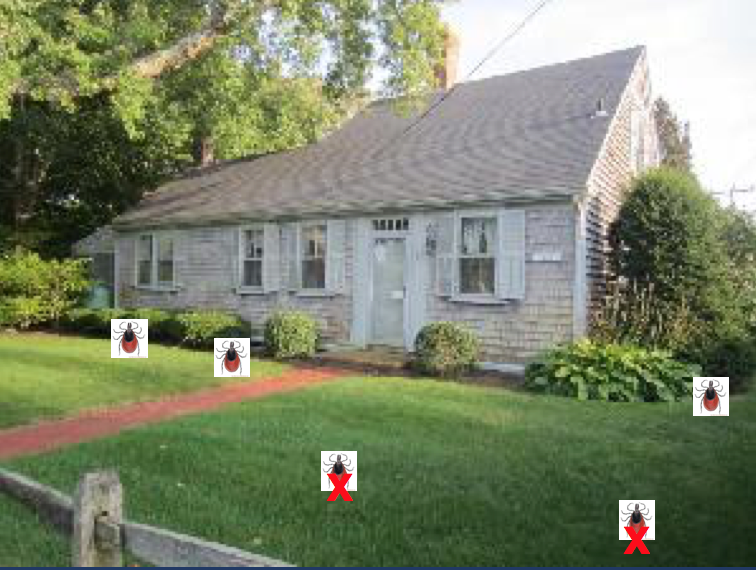
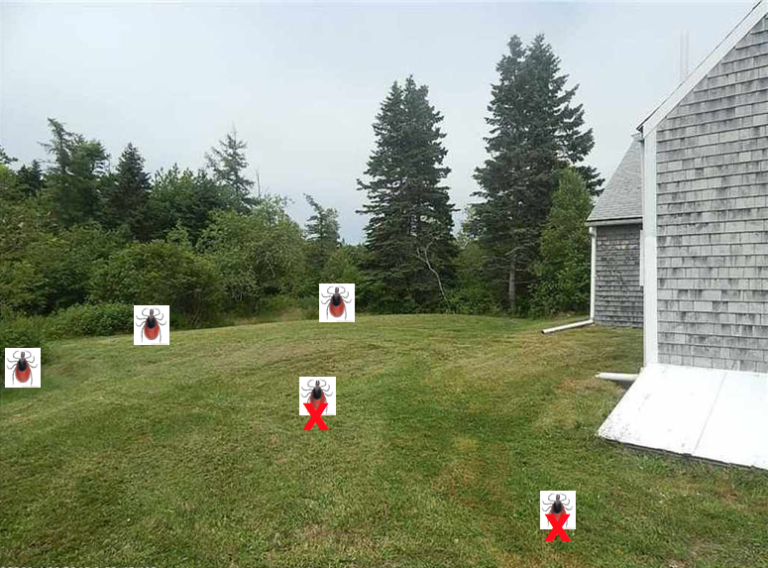
In addition to permethrin-treated clothing/footwear a perimeter yard spray creates a good 1-2 punch program.  Deer ticks are not found out in the open lawn…short grass, direct sunlight is a hostile environment for ticks.  At the edge of the yard where the grass might be in partial shade and transitions to brush, trees, leaf litter this is perfect tick habitat and is the area you want to treat.  This includes beneath woody ornamental plantings.

There are companies on the Cape that perform this as a service.  The product that they should be using is Talstar (active ingredient bifenthrin).  There are “all natural” products that are available but there are no research data to support that they are effective.  Besides being highly active against ticks bifenthrin is immobilized when it contacts leaves or soil particles so it will not wash off site or leach through the soil.  Product should not be applied around surface waters.

Applications are recommended for mid to late May and mid to late June when nymph stage ticks are active.  A fall spray in mid-October can be considered as this is when adult stage ticks emerge.

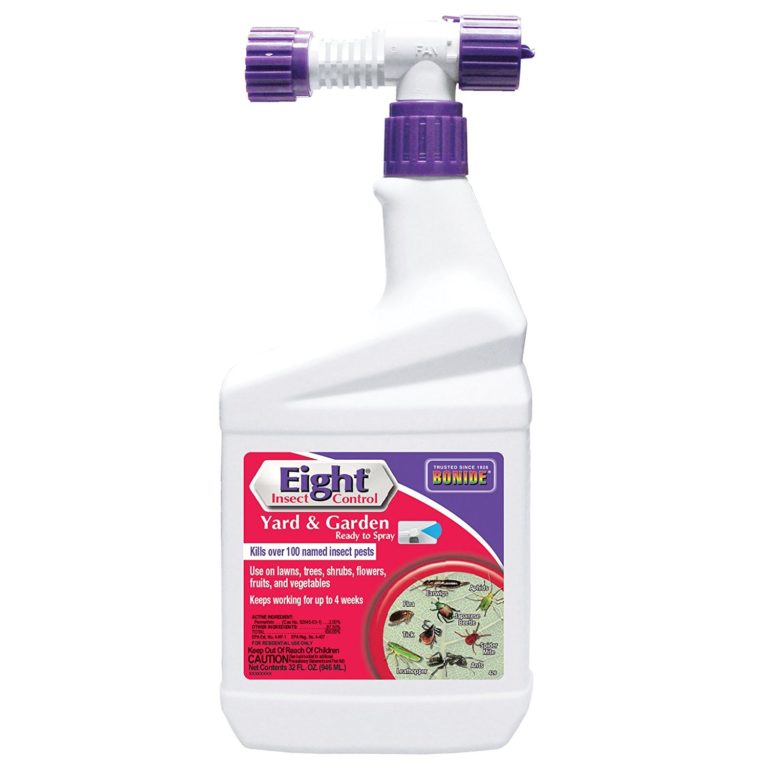
Homeowners can also do this themselves.  Garden centers carry a product under the Bonide brand.  Eight is a hose-end sprayer that contains the active ingredient permethrin.

Tick Tubes 
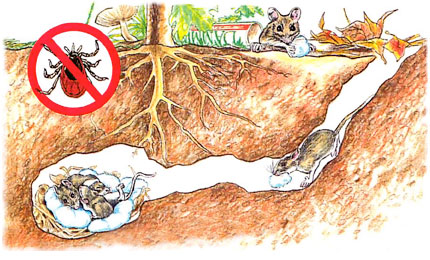
This product was designed to kill ticks on mice.  It consists of a cardboard tube which contain cotton balls treated with permethrin.  The product concept is that mice will remove the cotton balls and line their nest and self treat.

There were two studies done on this product. Both studies demonstrated that the product had NO material impact on tick populations. The papers can be found in the Research section of this website. It is a product that Larry Dapsis does not recommend.

Lyme Disease is the most prevalent infectious disease in Massachusetts and is now considered to be a public health crisis.  In addition to Lyme, deer ticks can carry the pathogens which cause Babesiosis, Anaplasmosis, Relapsing Fever and Powassan virus, all of which can be very serious and are on the increase.

Tick-Borne Diseases are preventable!

Want the inside scoop on ticks? You can schedule a presentation or workshop visit with Escher Cattle.

This program will review:

  • the basic life cycle and ecology of deer ticks
  • incidence rates and distribution of tick-borne illnesses
  • a database under development on infection rates of ticks

On top of this, you will be presented with a three-point plan to avoid tick-borne diseases:

  • Protect Yourself: How to avoid tick bites by choosing to wear tick-safe clothing and skin repellents before you go into tick habitat, and how to check your body for ticks and remove them after spending time outdoors
  • Protect Your Yard: How to avoid ticks in your landscape without giving up on a wildlife-friendly habitat
  • Protect your Pets: How to keep indoor and outdoor pets safe from tick-borne illness, and how to keep them from bringing ticks into your home

Alternate presentations and workshops on ticks can include:

  • Different tick species on the Cape & Islands and how to identify them
  • Building a Tick Kit: Everyday items to remove and store ticks for identification
  • The Lone Star Tick & Alpha-Gal Syndrome

Escher Cattle is the new Extension Educator for Horticulture & Entomology as of November 2025. Succeeding the role of Larry Dapsis in tick-borne disease prevention outreach, Escher graduated in 2018 from University of Delaware with a B.S. in Insect Ecology and Conservation, and in 2025 from North Carolina State University with an M.S. in Entomology Systematics & Evolution. He has experience in insect identification, integrated pest management, and especially communications and outreach for all things creepy-crawly.

Contact Escher Cattle for scheduling.

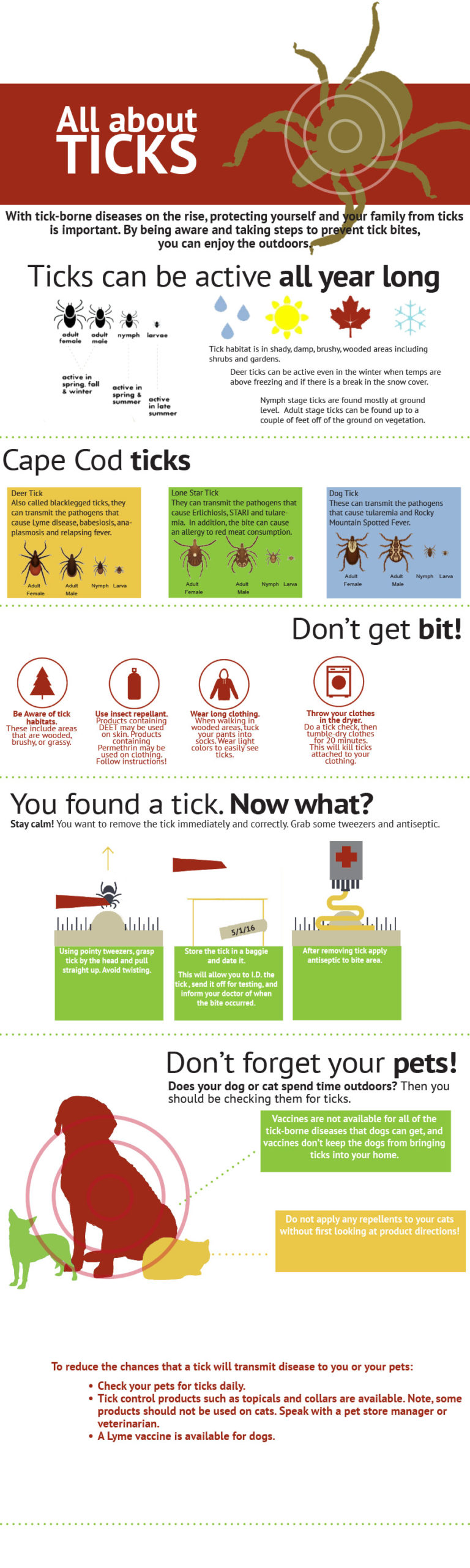
We have a collection of resources to educate and inform the public about ticks, bites, and prevention. Click on the item to download, or contact us to send you some.

Tick Rack Card

News You Can Use

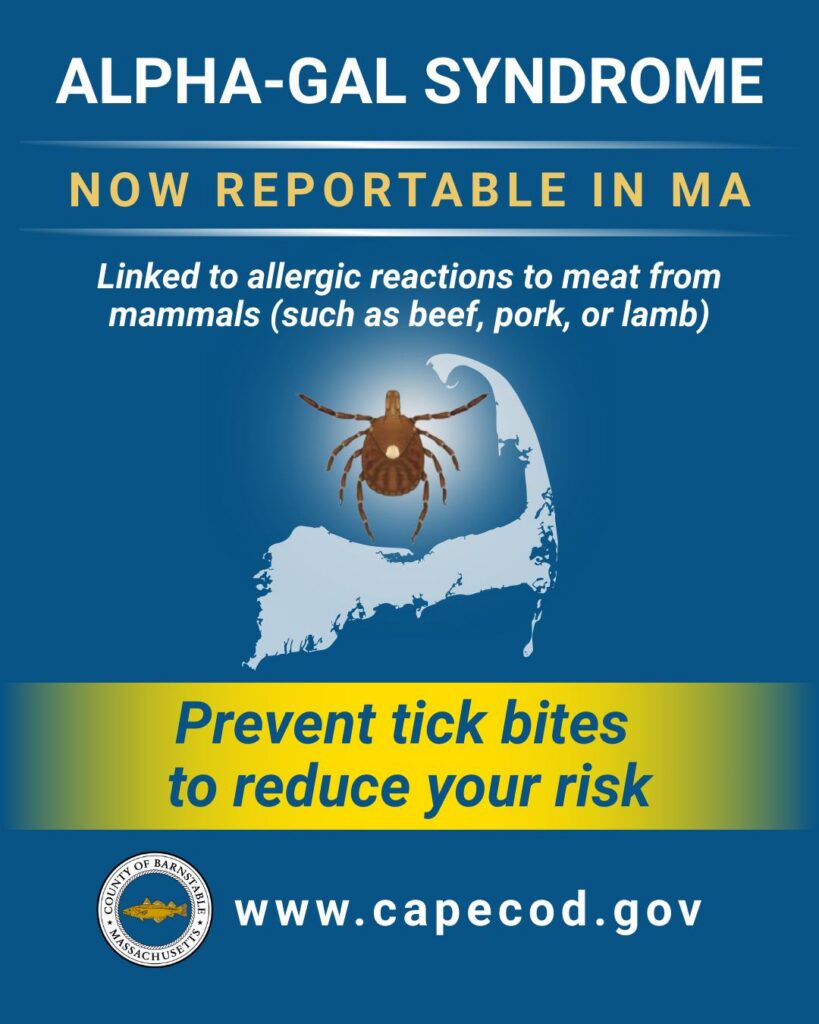
Massachusetts Makes Alpha-gal Syndrome Reportable; Lone Star Ticks First Documented on Cape Cod in 2015

New data advances understanding of tick-related meat allergy on Cape Cod March 19, 2026 (Barnstable, MA) – Barnstable County public health officials are highlighting new guidance from the Massachusetts Department of […]

Read More
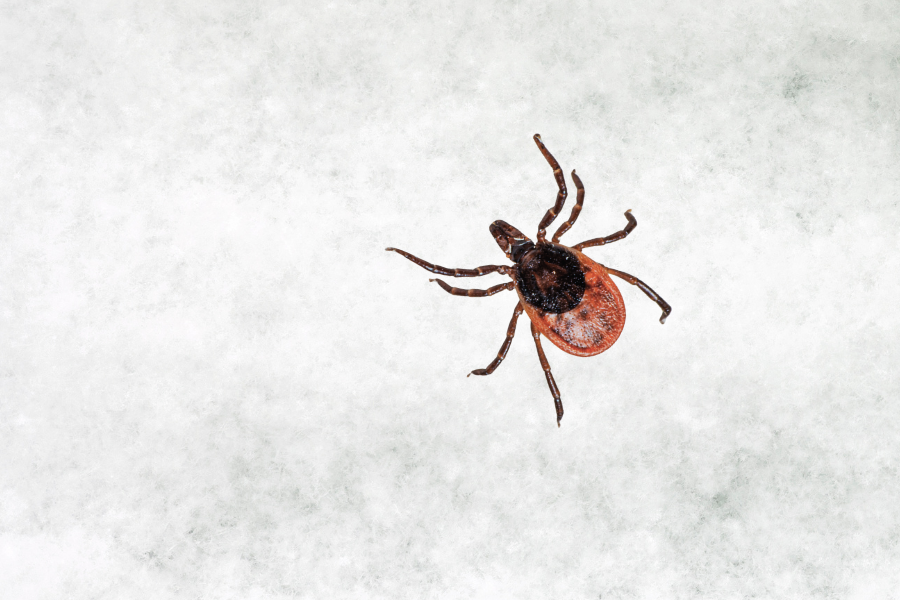
Deer tick on snow

Will Winter Weather Kill Ticks on Cape Cod? A Local Tick Reality Check

With a foot of snow on the ground and bitter cold settling in across Cape Cod, many people are asking the same question: Will this winter finally take care of […]

Read More

Experiencing Symptoms of a “Summer Flu”? Don’t Forget to Consider Tick-Borne Disease.

While it’s important to know that ticks can transmit diseases to humans year-round (even in fall/winter after a frost), summer is the time to be particularly vigilant. Tiny teenage deer […]

Read More
Don't fall for ticks this season.

Stay Aware and Don’t Fall for Tick Bites (or outdated tick testing info).

~A note from Larry Dapsis, Extension’s County Entomologist I see a lot of posts on gardening pages on Facebook about working around the yard and hiking, which it looks like […]

Read More
National Drug Take Back Day October 23, 2023.

National Prescription Drug Take Back Day: Saturday, October 28th, 2023 at your local police station.

This collection program protects our children, our water and our food supplies, and decrease prescription drug abuse by making it easier for you to properly dispose of unused or expired medication. This is a completely confidential program. No personal information will be collected.

Read More
Unwanted stinky housemates include stink bugs.

Stinky Houseguests

~A note from Larry Dapsis, Extension’s County Entomologist I was approaching my front door recently and noticed a group of western conifer seed bugs, a relative of stink bugs by […]

Read More
1 2

INSECT IDENTIFICATION

Need help trying to identify a bug? Problems with an infestation in your home or garden?

You can bring insect specimens into the Cooperative Extension office for identification and further assistance. Our office is located at 1358 Route 28, South Yarmouth.

You can also fill out the form below, providing as much detailed info the insect and/or infestation, and attach an image of the specimen. Escher Cattle will be in touch regarding your inquiry.

"*" indicates required fields

Drop files here or
Max. file size: 50 MB.

    Related Content

    The owner of this website has made a commitment to accessibility and inclusion, please report any problems that you encounter using the contact form on this website. This site uses the WP ADA Compliance Check plugin to enhance accessibility.