


Seeing Clearly When You Have Diabetes: Why Your Eyes Matter
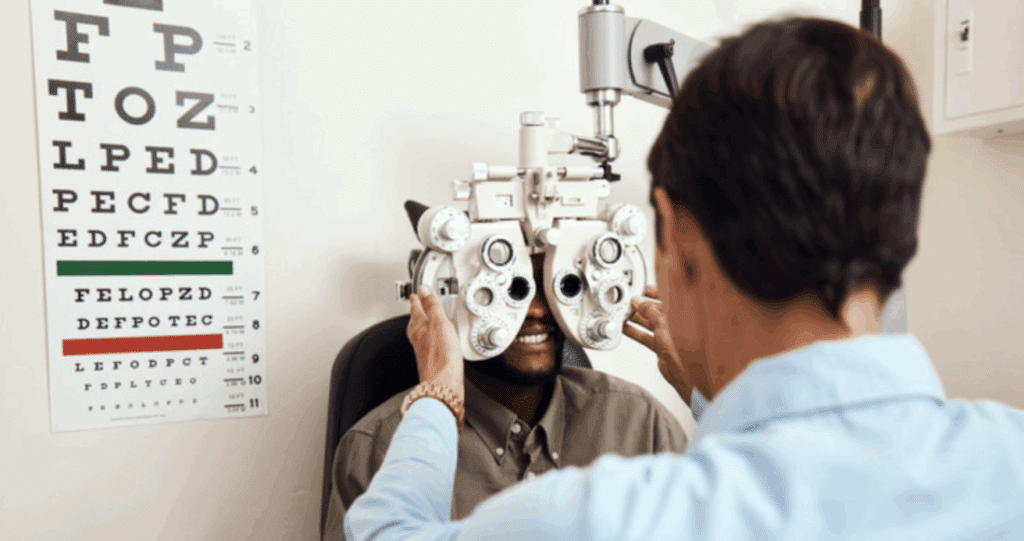
Having diabetes impacts more than just your blood sugar—it affects nearly every part of your body, including your eyes. The tiny blood vessels in the retina (the light-sensing layer at the back of the eye) are especially vulnerable. According to the CDC, people with diabetes face higher risks of eye diseases including Diabetic Retinopathy, Glaucoma and Cataracts.
The good news: Much of the vision-loss risk related to diabetes is preventable or delayable with proper care.
What Happens to the Eyes in Diabetes?
- High blood sugar can damage tiny retinal blood vessels, causing them to leak, swell or stop working properly—this is the driver of diabetic retinopathy.
- Diabetes also increases the risk of cataracts (cloudiness of the lens) and glaucoma (damage to the optic nerve) at younger ages.
- Because many of these changes begin before you notice any symptoms, regular screening becomes critically important.
Key Steps to Protect Your Vision
Below are actionable steps you can take to keep your eye health as strong as possible while living with diabetes.
1. Get a comprehensive dilated eye exam, every year
Even if your vision seems fine, many diabetes-related eye changes are silent in the early stage. The ADA recommends:
- For type 2 diabetes: first exam at time of diagnosis.
- For type 1 diabetes: exam within five years of diagnosis.
Then annually (or as your eye-care professional directs).
During the exam your pupils are dilated (widened) so the retina, macula, optic nerve and blood vessels at the back of the eye can be inspected.
2. Manage your “ABCs”
Your eye health is tightly linked with your overall diabetes control. Focus on:
- A1C (average blood sugar)
- Blood pressure
- Cholesterol
3. Maintain a healthy lifestyle
- Healthy blood sugar: Consistent control of glucose reduces the risk of diabetic eye complications.
- Blood pressure & cholesterol: Keeping these in check helps protect your blood vessels—including those in the eye.
- Exercise: Regular physical activity supports circulation, insulin sensitivity and overall health—benefiting the eyes too.
- Quit smoking: Smoking worsens inflammation and vascular damage, increasing risk of eye disease.
4. Protect your eyes from additional risk-factors
- Wear sunglasses that block 99-100% UVA and UVB rays—even on cloudy days or when indoors near windows. Sun exposure is a risk factor for cataracts and other eye damage.
- Give your eyes a break from screens: adopt the “20-20-20 rule” (every 20 minutes look about 20 feet away for 20 seconds) to ease strain.
5. Know your symptoms—and act fast
Because early eye disease often has few symptoms, you should still be alert to changes such as:
- Blurry vision or distorted vision
- Flashes of light or sudden increase in floaters (little specks or threads drifting in vision)
- Poor night vision
- Trouble seeing colors accurately, or loss of peripheral vision
If any of these occur, contact your eye-care provider promptly.