


Understanding Vibrio: A Common Seasonal Foodborne Illness
Summer on Cape Cod means fresh seafood, days at the beach, and outdoor fun—but it also brings an increased risk of certain bacteria that thrive in warm coastal waters. One of these is Vibrio parahaemolyticus (or just “Vibrio” for short).
What is Vibrio?
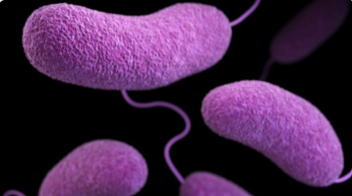
Vibrio parahaemolyticus is a naturally occurring bacteria found in saltwater and coastal environments, especially when the water is warm. On Cape Cod, the risk of Vibrio is highest during the summer months—typically from June through September—when bay and estuary water temperatures rise.
Vibrio is bacterium in the same family as the bacterium cholera. It naturally lives in coastal waters in the United States and most commonly causes an infection of the bowel of humans. It can also result in wound and blood infections.
Common symptoms of vibrio include:
- watery diarrhea
- stomach cramps
- nausea
- vomiting
- chills.
These symptoms typically appear 24 hours after ingesting the bacteria. Symptoms usually last around 3 days.
The bacteria must be swallowed to cause disease, in most cases. This usually occurs from consuming food or drinking water contaminated with the bacteria. Raw or undercooked shellfish, particularly oysters, are a common source of this infection. On occasion, the bacteria can cause infection in the skin of an open wound, when exposed to warm seawater. Vibrio is not transmitted person to person.
The best way to prevent vibrio is thoroughly cooking seafood. Do not consume oysters self-harvested from closed or contaminated oyster or other shellfish beds. Wound infections can be prevented by avoiding exposure of wounds to warm seawater, raw seafood, or raw seafood juices.
The following advice can reduce the risk of foodborne illness from shellfish:
- When ordering shellfish in restaurants, ask that they be fully cooked unless they have been treated with a method to reduce Vibrio (such as pressure treatment)
- Wash your hands with soap and water after handling raw shellfish.
- Keep raw foods from touching cooked foods and surfaces used for cooking and eating
- Preparing oysters and other shellfish in the shell:
- Before cooking: Discard any with open shells
- During cooking: Boil for 3-5 minutes after shells open, or add to a steamer when water is already steaming and cook for another 4-9 minutes
- After cooking: Discard any with shells that did not open
- Preparing shucked oysters:
- Boil or simmer for at least 3 minutes
- Fry at 375 degrees Fahrenheit for at least 3 minutes
- Broil 3 inches from heat for 3 minutes
- Bake at 450 degrees Fahrenheit for 10 minutes
For more information on vibrio visit: https://www.mass.gov/fact-sheets-on-infectious-diseases
Download our Printable!