

Pancreatic Cancer Awareness Month: Understanding the Silent Killer
Pancreatic cancer is one of the most lethal forms of cancer, often called the silent killer, because it rarely causes symptoms until it has already advanced. 80% of patients are diagnosed with metastatic cancer. Despite medical progress in other cancer types, pancreatic cancer remains alarmingly deadly, with only around a 12% five-year survival rate in the United States.
Why It’s So Hard to Detect
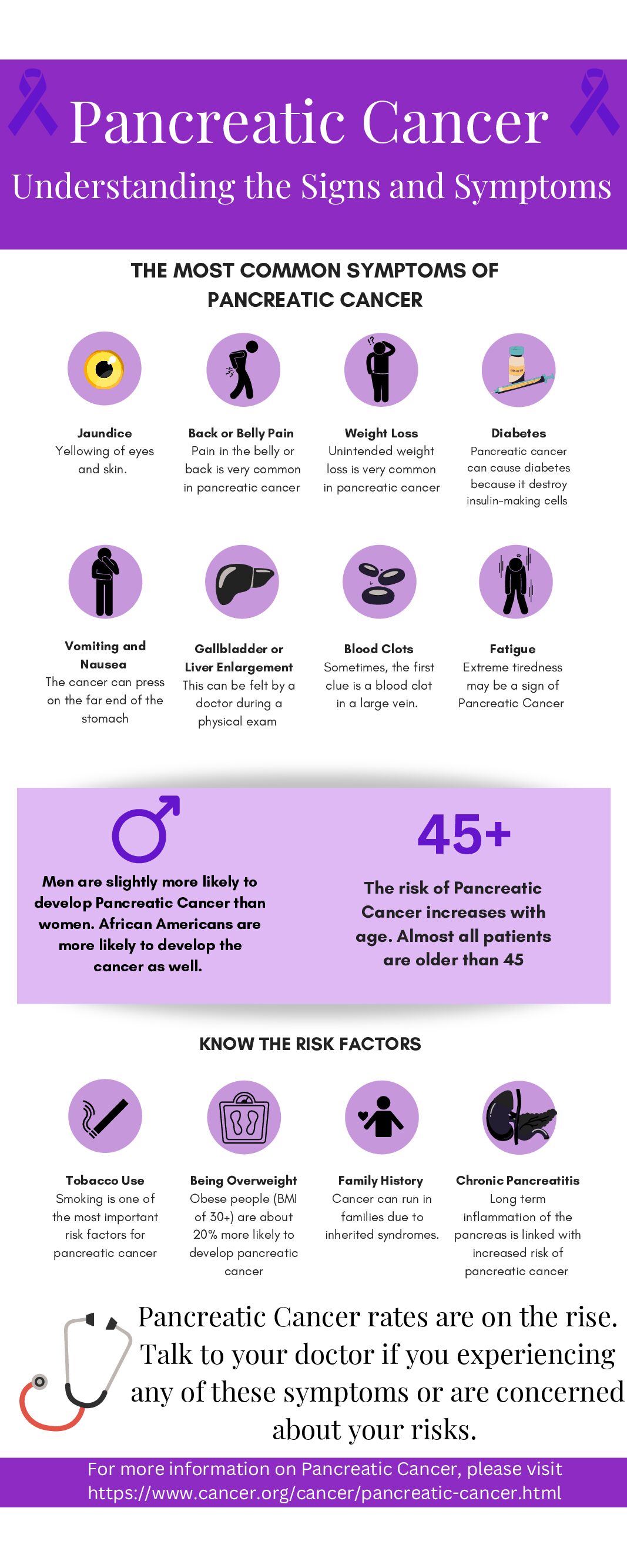
The pancreas is located deep within the abdomen, making early tumors nearly impossible to see or feel during routine exams. Most patients experience no symptoms until the disease has already spread to other organs. By the time warning signs appear, such as jaundice, unexplained weight loss, abdominal or back pain, loss of appetite, nausea, blood clots, or new-onset diabetes, the cancer is often already at an advanced stage.
Who Is Most at Risk?
While pancreatic cancer can affect anyone, some people face a higher risk. Age plays a major role. 90% of cases occur in individuals over 55, but lifestyle and environmental factors are also key. The most common risk factors include:
- Smoking – Approximately 25% of cases are attributed to smoking.
- Obesity – Individuals with obesity (BMI of 30+) have a 20% higher risk of developing pancreatic cancer.
- Alcohol abuse – Chronic use increases inflammation and stress on the pancreas.
- Exposure to toxins – Including industrial chemicals and pollutants.
- Family history or genetic mutations – Having a close relative with pancreatic cancer increases your risk.
Racial and Socioeconomic Disparities
The disease does not impact all communities equally. Studies show that Black men have a 30–40% higher incidence compared to white men, even though smoking rates are similar. Socioeconomic status and neighborhood conditions also play a role. People living in low-income or high-pollution areas often have less access to nutritious food and healthcare, factors that contribute to higher rates of obesity, diabetes, and delayed diagnosis.
A Growing Global Concern
Worldwide, pancreatic cancer cases are on the rise. In 2018, there were nearly 460,000 new cases, with the highest incidence and mortality rates found in North America and Europe. Experts warn that without significant improvements in prevention and early detection; pancreatic cancer could become the second leading cause of cancer death by 2030.
Why Awareness Matters
Unlike breast, colon, or prostate cancers, there are no standard screening tests for pancreatic cancer. Because it develops silently, awareness is our best defense. Recognizing symptoms early and understanding personal risk factors can help people seek medical evaluation sooner, potentially catching the disease before it spreads.
What You Can Do
- Know your family history.
- Don’t ignore persistent digestive or back pain.
- Avoid smoking and limit alcohol consumption.
- Maintain a healthy weight and balanced diet.
- Advocate for awareness and equity in cancer care, especially for underserved communities.
Resources:
Pancreas Cancer Awareness Month – National Pancreas Foundation
Pancreatic Cancer – National Pancreas Foundation
Pancreatic Cancer Action Network – Research, Patient Support, Resources
November is Pancreatic Cancer Awareness Month – Hirshberg Foundation for Pancreatic Cancer Research